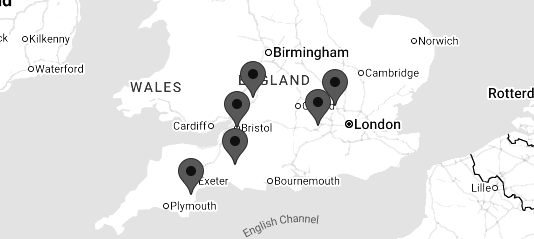
Bristol, Gloucestershire, Wiltshire, Somerset, Dorset, Devon, Cornwall and the South West
MULTI AWARD WINNING IT SUPPORT, SOLUTIONS AND SERVICES



IT Equipment For Schools
At Soltech IT we understand that choosing reliable IT hardware and equipment for your school can be complex and even difficult to achieve with budgets tighter than ever before.
Our aim is to help you strike the right balance between performance and economy when you buy Windows computers or laptops, Apple Mac's or iPad's, software and any other IT equipment you need.
We can even help advise your school on the availability of grant funding that might just match your purchasing needs.
DfE Laptop, Desktop and Tablet Standards
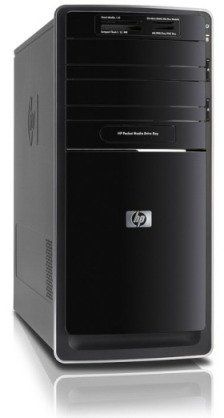
DfE Laptops, Desktops and Tablets Standards for schools
Devices must be secure, reliable and importantly fit for purpose throughout a school or college, supporting the curriculum, school administration and the schools digital strategy.
Schools and colleges must ensure that devices used by teachers, staff and pupils are safe and secure, capable and aligned with their wider digital strategy. Laptops, desktops and tablets should effectively support curriculum delivery, administrative processes and flexible access to digital systems throughout, while remaining secure, reliable and cost-effective.
Poor device selection can result in lost learning time, increased technical issues and much higher long-term costs.
Schools should regularly assess whether their current devices meet both educational and operational requirements. This includes compatibility with cloud platforms, curriculum software and safeguarding systems. Understanding who uses each device, how and where it is used, and whether it supports accessibility features and secure network access is essential.
Devices should meet or exceed the DfE’s minimum standards, including enterprise-grade operating systems, regular security patching and modern wireless connectivity.
All devices should be centrally managed to ensure consistent application of updates, filtering, monitoring and access controls.
Where mobile or remote use is required, device management solutions should support remote locking, data wiping and safeguarding. Devices must be recorded in an up-to-date asset register, and procurement decisions going forward, should be informed and based on an understanding of security, compliance and user needs.
Energy efficiency and sustainability should also be considered. Devices should be configured to reduce unnecessary energy consumption and disposed of in line with WEEE regulations and data protection requirements. Secure data sanitisation must be carried out when equipment is retired, with appropriate records maintained.
Reviewing device usage can often identify opportunities to repurpose equipment, helping schools and colleges to control costs and meet sustainability objectives.
And more

















Servers Fit For A Schools IT Infrastucture
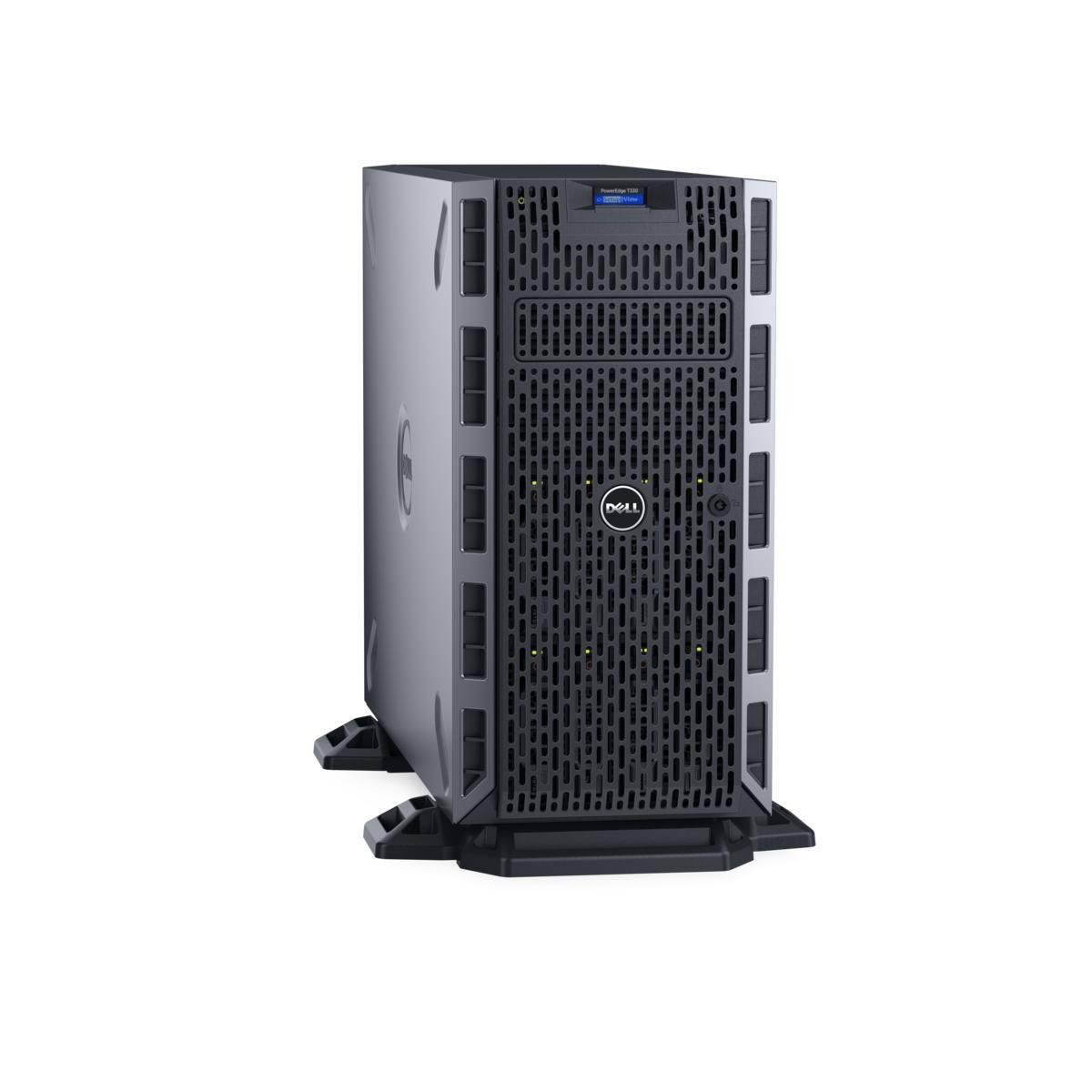
Soltech IT can help your school to plan a future-proofed infrastructure strategy and deploy it in a sensibly controlled, affordable and sustainable way.
At the heart of a schools infastructure is a school's server, or server's, providing storage, security and many more critical resources that support the school's entire IT network.
Soltech IT will deliver cost effective servers designed specifically for the educational sector. These High-performance servers can be deployed along side cloud servers or solutions in a hybrid environment and will improve network responsiveness, allowing teachers and students to quickly and reliably access data and other valuable resources without having to compromise on speed or safety.
DfE Server and Storage Standards
DfE Server and Storage Standards for Schools
Schools and colleges must have secure, efficient infrastructure that supports continuity and compliance
Servers and storage systems are a critical part of a school’s digital environment, particularly when data is hosted on-site rather than in the cloud. The Department for Education (DfE) expects schools and colleges to maintain infrastructure that is secure, resilient and energy-efficient, with clear processes to manage risk, downtime and data protection obligations.
To minimise operational disruption, servers should be configured for fault tolerance, using features such as mirrored disks, dual power supplies and automatic failover. Backup systems—whether on-site or cloud-based—must be implemented and tested regularly to ensure data can be restored quickly if needed.
Security is paramount. Servers must be managed in line with data protection legislation and the National Cyber Security Centre (NCSC) best practice guidance, including access controls, data encryption, secure update management, and alignment with the school’s broader safeguarding and cyber security policies.
The physical environment is equally important. Servers should be housed in secure, well-ventilated spaces, protected from fire, water and other hazards, with adequate power and cooling to meet equipment requirements. Where possible, cloud-based solutions should be considered to reduce environmental impact and limit reliance on local infrastructure.

All-Encompassing Software for Schools
Educational software is a massive, all-encompassing term used to discribe software which is designed to be used within in the education industry.
This includes everything from security software to classroom management software. All of it used with the goal of making some aspect of the education industry more efficient or more effective.
Soltech IT is a leading supplier of educational software, we supply a whole range of Microsoft products, Mobile Device Management solutions and much more...

And more









Annual Subscription Service for Schools
Microsoft's annual subscription service for schools makes Microsoft software licencing easier than it has ever been schools.
Microsoft Enrolment for Education Solutions (ESS)
Microsoft EES has many advantages for schools and also greater control over administration and a considerably reduced Total Cost of Ownership .
Our dedicated support team will greatly reduce the time spent to administer the Microsoft EES licence which will be music to the ears of Business Managers and ICT Coordinators.
How Does IT Work?
Licencing is priced by staff, not by device
Microsoft's EES scheme calculates a schools cost by determining the number of Full-Time Equivalent (FTE) staff. The FTE calculation is easily, simply determining how many staff within a school work more than 200 hours per year and have access to use computers. It is this figure that gives a school it's FTE value.
Please Note: You would not include staff such as caretakers or gardeners (unless they use IT in their work).
Are Computers, Laptops and Apple MAC’s are included
Yes. Microsoft Software is licenced for Apple MAC's, Computers, Laptops and even Servers.
Annual Calculation
FTE staff numbers are only required for your Microsoft Initial EES Licence application. On renewal FTE numbers can be confirm or adjust for any additional staff or any reduction. If you install a new ICT Suite during the academic year (supplied by Soltech IT) then you wont need to buy additional licences.
Downgradable
In accordance with Microsoft's EES Licence agreement, schools gain downgrade rights allowing schools to use older versions of Microsoft Software.
Working from home
The Microsoft EES Licencing agreement also allows Teachers “Work At Home” rights. This enables staff to prepare their lessons at home using the schools Microsoft Office licence.
Meet the team
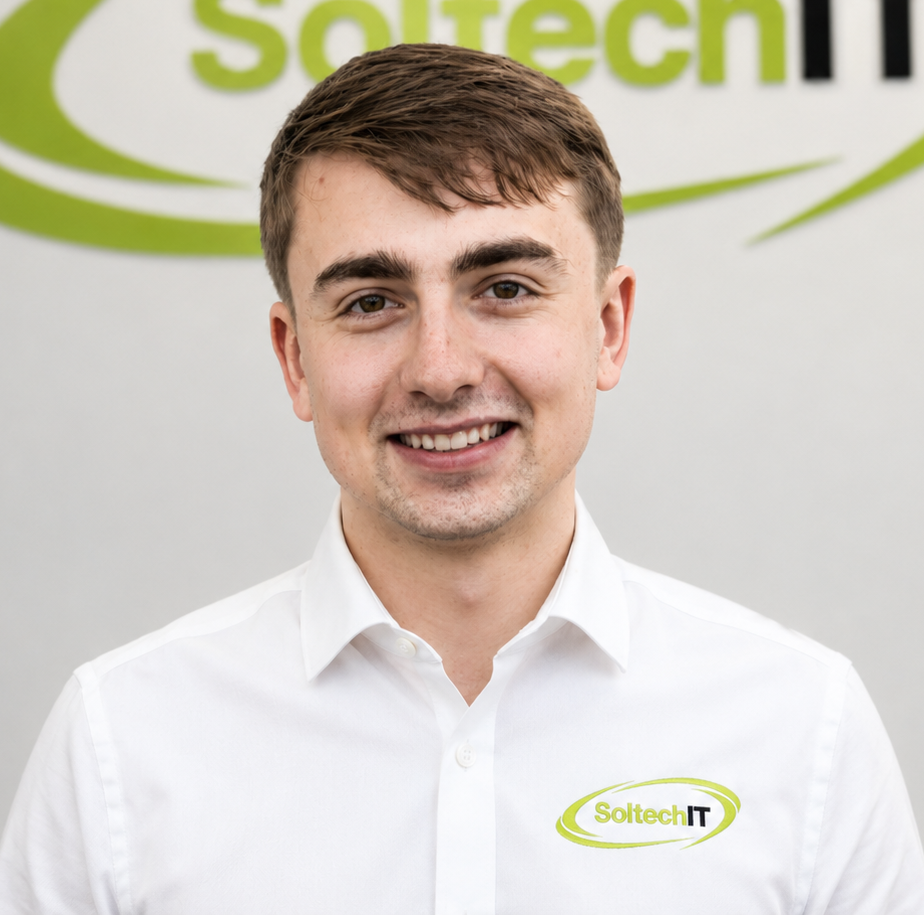
Jacob Fox
Operations Manager
Jacob Fox began his career training and qualifying in management at Tesco's, developing strong leadership and operational expertise from an early stage. With a solid background in IT and a passion for technology, Jacob joined Soltech IT several years ago and has steadily progressed through the company.
Starting as a Junior Engineer rising through the ranks to become Operations Manager. Today, Jacob plays a key role in overseeing operations and ensuring Soltech IT continues to deliver exceptional support and service.