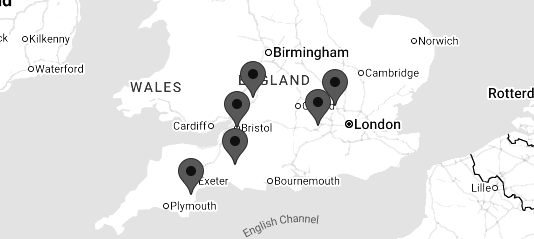
Bristol, Gloucestershire, Wiltshire, Somerset, Dorset, Devon, Cornwall and the South West
MULTI AWARD WINNING IT SUPPORT, SOLUTIONS AND SERVICES




WiFi Access In Every Classroom
Digital learning is a superb way to engage pupils and enrich their learning experience. However, if your school suffers from a poor WiFi connection then the use of technology and devices in the classroom will end up being very disruptive.
Soltech IT supplies and installs only recognised Wave 1 and Wave 2 WiFi systems from leading manufactures.
To allow us to design the perfect WiFi solution, we will carryout a WiFi mapping audit of your buildings to ensure our solution will provide seamless coverage, quick speeds and allow large numbers of devices to connect within designated areas.
Managed WiFi Solutions In Schools
Our school Wi-Fi solutions are designed to provide your school with the right Wi-Fi signal strength and seamless coverage in every classroom, but thats not all we can do!
Soltech IT are also able to provide campus wide coverage to admin & teacher areas, halls, staff rooms, student accomodation and outside areas, thus ensuring full coverage for a truely flexible learning experience.
DfE Wireless (Wi-Fi) Network Standards
DfE Wireless (Wi-Fi) Network Standards in Schools
Reliability and, high-performance of wireless access across a school or college is essential.
A strong, secure, and well-managed wireless network is a must in any modern school or college. Teachers, staff and students rely on constantly wireless connectivity for teaching, learning, and administrative tasks. The Department for Education expects schools and colleges to provide robust, site-wide access that meets these requirements.
Schools are required to meet performance and security standards by implementing the latest WiFi technology, currently Wi-Fi 6E or higher.
WiFi coverage must extend to all teaching and administrative areas within a school or college including outdoor spaces where required. Typically, this involves placing access points in every classroom, learning spaces and office administration areas, with higher-capacity devices in larger or high-traffic spaces.
Centrally managed wireless systems allow IT teams to monitor performance, deploy updates, address faults quickly, and balance network traffic. They should be scalable to meet future demand and regularly reviewed to keep pace with evolving standards and emerging threats.
Security is non-negotiable. Wireless networks must prevent unauthorised access and safeguard sensitive data, both from internal misuse and external threats. This includes secure authentication (e.g., WPA3), role-based access, encrypted traffic, and multi-factor authentication for privileged users.
Guest access should be clearly separated from the main network to maintain security.
Connect the Classroom Funding
for your school or MAT








Data cabling made to measure for schools
The network cabling infrastucture within a school is essential to the smooth running of any network.
At Soltech IT we will carryout a detailed survey of your buildings to allow us to design a cabling system to meet your requirements and budget.
Our dedicated team will design, map and plan the correct network infrastructure, taking care and time to accommodate all the voice and data cabling requirements your school needs.
Our team of experienced installers who have been trained to work within accepted industry standards and manufacturers’ guidelines will implement your data cabling solution within pre-defined timescales.
You school is in safe hands
Soltech IT has many years’ of experience installing and maintaining network and data cabling systems for a wide range of customers, including Primary Schools, Academy Trusts, Secondary Schools, Colleges and Universities.
We’ve worked with many and all types of buildings, both old and new, and always pay our utmost attention to aesthetic and technical details. Our solutions include Cat 5e, Cat6, Cat 6a, Cat 7 and fibre optic cabling
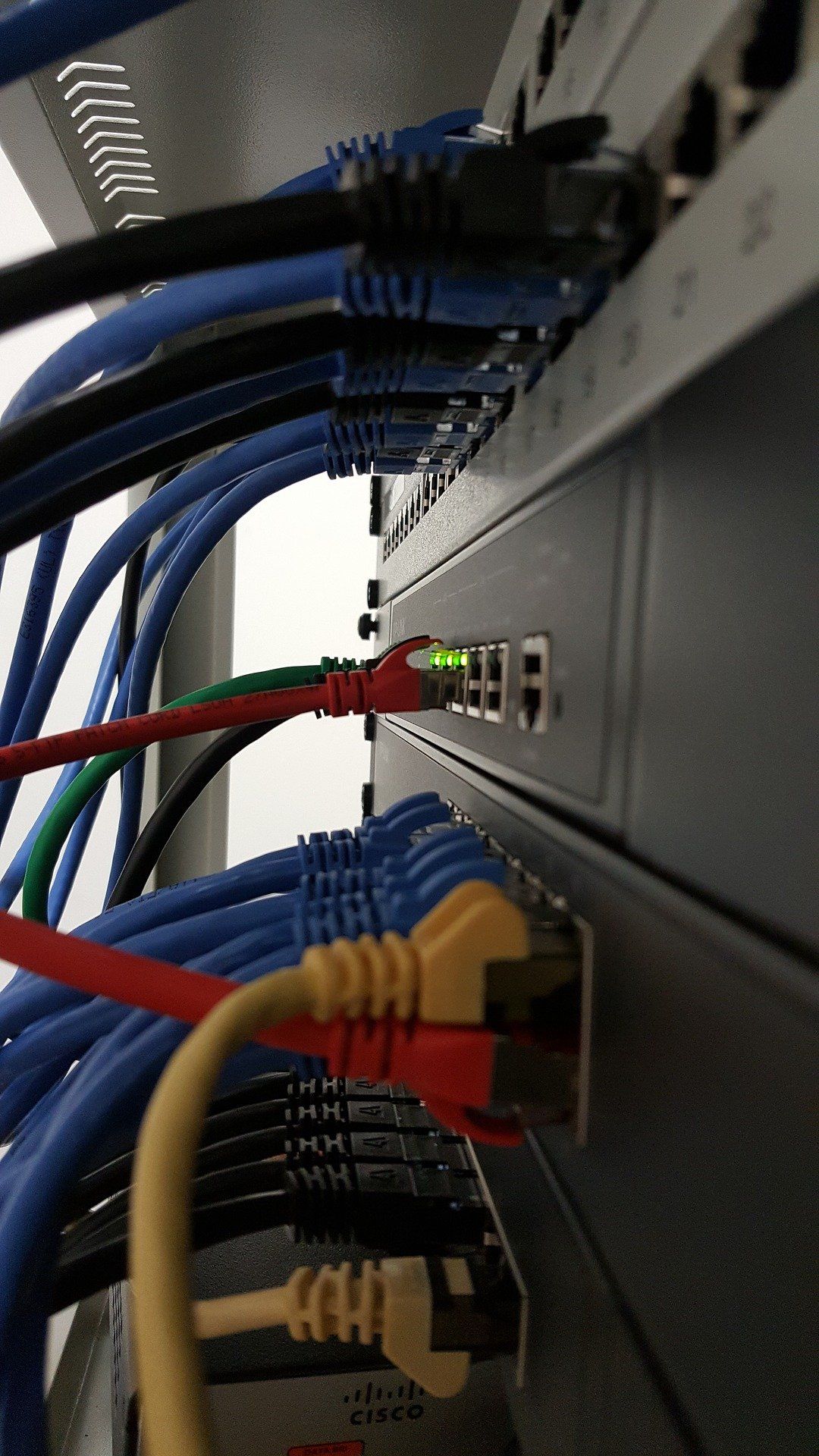
DfE Network Cabling Standards
DfE Network Cabling Standards for Schools
Network cabling underpins a school’s entire digital environment, connecting classroom technology, administrative systems and cloud services.
Inadequate or outdated cabling can restrict performance, limit future growth and increase ongoing maintenance costs. The Department for Education (DfE) therefore expects schools and colleges to upgrade legacy infrastructure where feasible, ensuring all new cabling supports long-term reliability, capacity and safety.
Category 6A (Cat 6A) is now the minimum standard for copper cabling, providing the bandwidth and resilience required for high-speed networks, modern devices and wireless connectivity.
For fibre cabling, particularly between buildings or core network areas, OM4 should be used as a baseline to support higher data volumes over extended distances.
Cat5e
Cat6
Cat7
Fibre Optic

Meet the team
Jonathan Mount
Integrated Systems Manager (Av, CCTV and Cabling)
There's not much that Jonanthan can't do when it comes to audio visual installations, network infrastructure cabling installs or enhanced AI CCTV installations.
With many years experience Jonathan has, and always is raising the bar with forward thinking solutions for both business and educational working environments.