What Finally Makes Businesses Invest In IT Support?
What Finally Makes Businesses Invest In IT Support?

When Businesses Realise It’s Time for Professional IT Support
Most companies don’t decide to hire IT support on a whim. Usually, it’s a problem, risk, or frustration that pushes them to act — something stops working, grows too complex, or exposes vulnerabilities that can no longer be ignored.
Many small and medium-sized businesses build their IT piecemeal over the years. Computers, software, emails, backups, and security systems are added bit by bit. For a time, this “just enough” approach works — until one day, the cracks appear.
Common Triggers That Make Businesses Seek IT Support
1. Critical System Failures
When servers crash, networks go down, databases corrupt, or software updates fail, the business stops. Lost access to emails, files, and essential programs immediately impacts productivity, deadlines, and revenue. Minor annoyances are tolerated, but downtime that halts operations often sparks urgent action.
2. Cybersecurity Incidents or Close Calls
Security breaches, ransomware attacks, phishing emails, or accidental exposure of sensitive data are major wake-up calls. Even near misses — such as suspicious emails being clicked or unusual account activity — reveal weaknesses. This often prompts a move from basic antivirus to structured IT management with monitoring, policies, and regular oversight.
3. Rapid Growth Straining Existing Systems
A business that grows from a handful of staff to a larger team can quickly outgrow its IT setup. File management becomes messy, software licences are unclear, and new employees struggle with access. At this point, IT is no longer “reactive” — it needs proper structure, documentation, and a clear support plan.
4. Dependence on a Single Person
Many businesses rely on one employee — often not formally trained — to keep IT running. When that person is unavailable or overwhelmed, gaps are exposed: missing passwords, undocumented processes, or unclear backup routines. Bringing in external IT support helps stabilise systems and removes single points of failure.
5. Compliance, Insurance, or Client Requirements
Regulatory requirements like GDPR, or contractual obligations from clients, often require proof of backups, multi-factor authentication, and robust security measures. When businesses cannot confidently answer these questions, IT support becomes essential for compliance and reassurance.
6. Cumulative Day-to-Day Frustrations
Even small, repeated issues — slow computers, printer problems, recurring software conflicts — eventually erode efficiency. When these frustrations begin to affect staff morale and productivity, businesses often realise that a structured IT solution is more cost-effective than continuing to patch problems.
7. Remote and Hybrid Work Challenges
The shift to remote or hybrid working exposes weaknesses in network access, security, and IT visibility. Systems designed for an office environment may not translate to distributed teams, making professional IT support necessary to maintain productivity and safety.
8. Complex Technology Decisions
As businesses adopt multiple software platforms, cloud services, and collaboration tools, decisions become more complicated. Integration failures, duplicated work, or inefficient processes often drive businesses to seek professional advice for scalable, long-term IT solutions.
9. Budget and Cost Control
Without oversight, IT spending can spiral: licences renew unnecessarily, emergency repairs cost more than planned, and hardware is replaced reactively. Managed IT support brings predictability, reduces waste, and allows proactive planning.
10. Leadership or Strategic Changes
New directors or business pivots — such as entering new markets, taking on larger clients, or preparing for sale — often prompt a review of IT. External IT support ensures infrastructure is secure, reliable, and aligned with strategic goals.
FAQs About IT Support
Q1: When a business should consider IT support?
A business should consider professional IT support when recurring issues disrupt work, security risks are unclear, finances impact the businesses IT ability or a single employee is responsible for all IT.
Q2: Is IT support only for companies with servers, or does it apply to cloud technology?
Not at all. Businesses using cloud systems still benefit from IT support for security, backups, user management, troubleshooting, training and strategic planning.
Q3: Does IT support replace in-house staff?
Not necessarily. IT support often complements internal teams by handling specialist tasks, monitoring, and maintenance while staff focus on core business activities. However, due to the pressures of recent government budgets, some businesses are opting to reduce their staffing costs and moving to outsourced IT support providers like Soltech IT.
Q4: Is managed IT support expensive?
Managed IT is usually more cost-effective than reactive fixes. It prevents downtime, reduces wasted effort, and ensures systems run smoothly. Businesses generally save between 55%-75% when comparing IT staff cost against outsourced It support.
Q5: Can IT support help with cybersecurity?
Absolutely. IT support strengthens security through monitoring, policies, backups, and user awareness training.
Q6: What’s the first step to getting IT support?
It usually begins with an assessment of your existing systems to identify risks, gaps, and priorities before implementing any changes. With an experienced and dedicated 'onboarding' team, Soltech IT is well placed to ensure a smooth transition.
Conclusion
Businesses rarely seek IT support just for convenience — it’s usually prompted by failures, growth, risk, or inefficiency. Once these triggers become visible, IT support shifts from an optional expense to a strategic necessity.
Professional IT support provides structure, accountability, and confidence. It reduces risk, supports growth, improves efficiency, and removes the frustration of firefighting IT issues. Once a business recognises these triggers, the real question becomes: how long can you afford to operate without it?
Contact us today sales@soltechit.co.uk, or call one of our regional numbers:
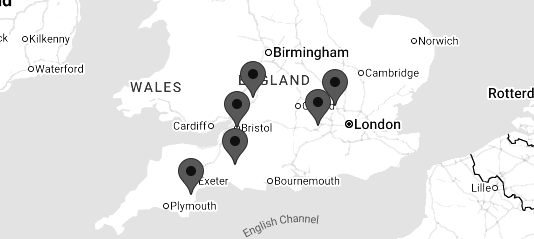
Bristol, South Gloucestershire and Bath (Head Office) - Tel: 0117 2140 299
Somerset, Dorset & Yeovil - Tel: 01935 324 299
Devon and Cornwall - Tel: 01626 798 299
Gloucestershire and Wiltshire - Tel: 0121 6631 299
Get in touch